
Keeping aircraft safe and reliable starts long before takeoff. We all want peace of mind knowing every part of a jet is checked and maintained by experts. Aircraft MRO (Maintenance, Repair, and Overhaul) services make this possible—helping fleets stay airworthy, efficient, and ready for any journey.
Have you ever wondered what goes into keeping planes in perfect flying condition? From regular inspections to quick repairs and major overhauls, MRO services cover every detail. With more travelers and growing demand for private and charter flights, the need for trustworthy maintenance has never been higher.
We understand how important it is to trust those caring for your aircraft. Are you curious about how MRO services keep flights on schedule and passengers safe? Let’s explore how skilled teams and advanced facilities support safe, smooth skies for everyone.
Ensure Airworthiness with Premier Private Jets’ Expert MRO Services
When it comes to flight safety and aircraft longevity, Premier Private Jets sets the standard with comprehensive MRO solutions. From routine inspections and diagnostics to full overhauls and emergency repairs, our FAA-certified technicians deliver fast, precise maintenance to keep your jet flying reliably. As private aviation demand rises, trust a provider that prioritizes safety, efficiency, and modern technology. Contact us today to experience world-class aircraft care built on trust and performance.
Overview of Aircraft MRO Services
Aircraft MRO services form the foundation of flight safety and fleet reliability. We focus on routine maintenance, emergency repairs, and comprehensive overhauls for private and commercial jets. Our teams inspect, service, and repair aircraft components, such as engines, avionics, and landing gear.
Certified technicians perform these checks following precise industry and regulatory standards. We use advanced equipment and data systems to diagnose issues quickly, which minimizes downtime and operational costs. How can efficient maintenance improve your overall travel experience?
Scheduled MRO tasks prevent in-flight malfunctions, reducing risks for passengers and crews. Unscheduled repairs address unexpected faults, getting aircraft back in the sky with minimal delay. Preventive maintenance also extends the lifespan of each jet, which helps owners manage budgets more confidently.
Facilities that offer a wide range of services—such as inspections, repairs, part replacements, and upgrades—bring peace of mind. Our approach combines seasoned expertise, access to specialized tools, and a clear focus on client safety. What matters most to you in aviation maintenance: speed, cost, or technical excellence?
Key Components of MRO Operations
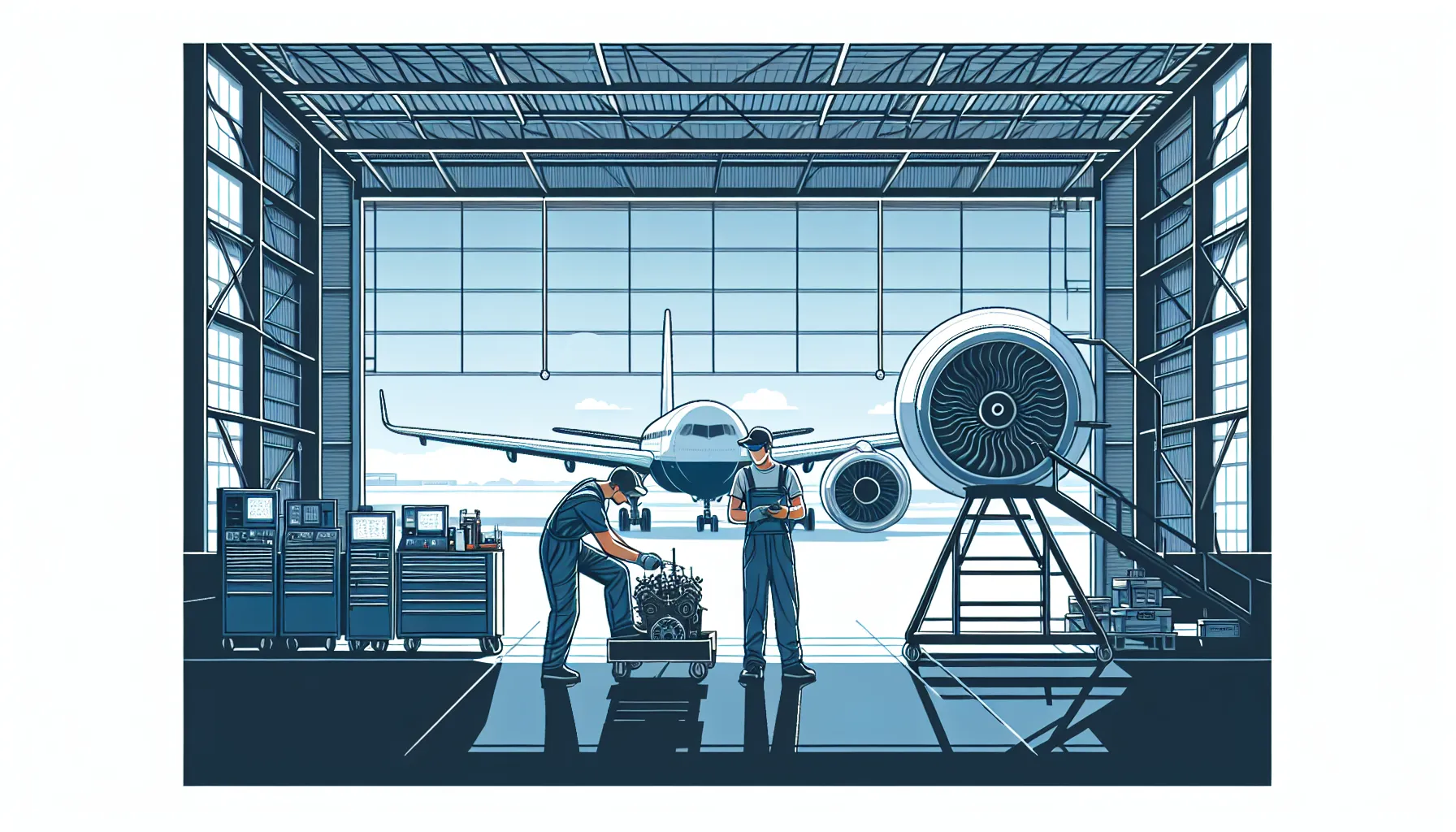
Aircraft MRO operations include three interconnected services: maintenance, repair, and overhaul. Each contributes to flight safety and efficiency. How do these services work together, and which do you find most essential for peace of mind in the air?
Maintenance
Routine aircraft maintenance protects both performance and safety. Teams perform scheduled checks on systems like engines, airframes, and avionics, using industry-approved methods. Maintenance covers tasks such as fluid changes, tire inspections, and avionics updates—examples of these include A-Checks and B-Checks performed at varying intervals. These regular tasks help prevent small issues from growing into major concerns. Does regular maintenance help you feel more secure when flying?
Repair
Repairs address damage or problems that occur unexpectedly between scheduled maintenance. Our teams use advanced diagnostic tools to quickly spot faulty components like brakes, hydraulics, and control surfaces. Fast turnaround for repairs lowers downtime and keeps aircraft on schedule. Each fix follows guidelines certified by aviation authorities. Have you ever wondered how quickly teams find and fix an issue before a flight?
Overhaul
Overhauls offer a deeper level of care, focusing on major aircraft systems—like engines—after a set period or usage milestone. During an overhaul, teams disassemble, inspect, clean, replace worn parts, and rebuild equipment to meet original safety standards. Overhauls often extend an aircraft’s usable life and boost reliability. What part of an aircraft would you trust most after a complete overhaul?
Leading Providers in the Aircraft MRO Industry
Leading providers in the aircraft MRO industry set high standards for reliability, safety, and client care. These teams operate with certified technicians who handle everything from routine inspections to complete overhauls, guided by strict regulatory requirements. Their facilities use advanced diagnostic tools and recent investments to improve aircraft handling and technical support, especially in high-traffic hubs.
Many leading MRO service providers focus on making maintenance both efficient and cost-effective. Their experts address a wide variety of aircraft models, from light jets like Citation and Hawker to larger commercial types. This flexibility makes it easier for clients to maintain their fleet with one trusted source. Are you looking for one dedicated partner who can keep your aircraft fleet running smoothly?
Top providers often integrate maintenance, repair, and overhaul with extra services like fixed-base operations and hangar support. These integrated solutions create a seamless flow from landing to takeoff. Some teams introduce winter safety measures by investing in equipment like modern deicing systems, reducing travel disruptions and improving reliability.
Certified repair stations in major regions, such as Dayton or Florida, highlight the importance of accessible support. These facilities minimize downtime for customers with dedicated MRO teams working efficiently and communicating clearly. Providers know that keeping clients informed and involved matters. What do you value most: speed, transparency or consistent results for your aircraft?
Data-driven approaches stand out among industry leaders. By analyzing maintenance records and system performance, they prevent issues before they become costly problems. Safety stays at the core of their service philosophy, while ongoing investments in staff training and technologies show commitment to continuous improvement.
If you expect simplified processes and reliable performance in your aircraft operations, the top MRO companies prioritize those needs. Which aspects of MRO support are most important to your operations today?
Technological Advancements in MRO Services
Digital systems have transformed how we approach aircraft maintenance, repair, and overhaul. Today, we rely on advanced diagnostic software and real-time monitoring tools to identify issues before they disrupt flight schedules. Integrated data analytics allow us to track component performance, making scheduled maintenance more predictable and efficient.
Automation now streamlines critical repair processes and inspection routines. Instead of time-consuming manual checks, technicians use sensor networks and portable scanning devices to pinpoint faults faster. This shortens aircraft downtime and helps us keep more jets available when passengers need them most.
Next-generation materials and repair techniques are reshaping structural work. Composite materials require specialized equipment and training, but they support longer lifespans and reduce heavy repairs. With 3D printing, we produce hard-to-find parts quickly, minimizing delays that used to stretch for days or weeks.
Paperless workflows simplify compliance and recordkeeping. Maintenance logs, work orders, and regulatory filings are now digital. This reduces errors and gives us instant access to a jet’s service history, making audits and planning more accurate.
What advancements do you think could further improve reliability or cut costs in aircraft maintenance? Are there new technologies you wish were available today? Let’s continue exploring how innovation supports safer, smoother air travel for everyone.
Challenges Facing the MRO Sector
Rising costs shape decision-making for MRO teams. Labor, parts, and compliance expenses can quickly add up. Skilled technicians are in high demand but often in short supply. Sourcing original or compatible replacement parts can strain budgets and extend repair timelines. How do you see costs impacting your own maintenance choices?
Technology evolves rapidly, creating both opportunities and hurdles for maintenance providers. Integrating new digital tools requires upfront investment and ongoing training of staff. Sometimes systems from different eras or manufacturers don’t communicate well. Teams must balance keeping older aircraft operational with adopting innovative repair methods. Which technologies have you seen make the biggest difference?
Regulatory compliance demands constant attention. Authorities update rules to promote safer flying, but each update means new processes and paperwork. Audits, checks, and certifications can take valuable time away from hands-on work. Have recent regulations changed how your organization approaches maintenance planning?
Seasonal and environmental factors challenge operations too. Harsh weather, like heavy snow or heat waves, adds stress to aircraft systems and increases maintenance demands. Reliable access to specialized equipment, such as deicing gear, becomes critical in certain regions. Where have weather conditions affected your maintenance schedules the most?
Meeting client expectations places added pressure on service providers. Passengers and operators expect fast turnaround, transparent updates, and flawless safety records. Balancing speed, quality, and value can stretch resources, especially with growing demand for private and charter flights. What matters most to you: quick support, clear communication, or maximum reliability?
Future Trends in Aircraft MRO Services
Aircraft MRO services keep changing as new innovations reshape maintenance, repair and overhaul work. We see investment in predictive maintenance technologies, where sensors and analytics track aircraft health round-the-clock. This helps identify parts wearing out before they cause delays or extra costs. For example, many providers use machine learning to analyze data from engines and avionics, reducing downtime and boosting safety. How do you feel about using real-time data to catch issues early?
Many teams now turn to automation and robotics for routine inspections and repairs. Automated systems perform tasks like checking structural integrity and applying deicing, freeing specialists for detailed assignments. This shift shortens turnaround times and improves accuracy. What experiences have you had with more automated service processes in aviation?
Sustainability now leads decision-making in maintenance. Providers choose eco-friendly materials and energy-saving techniques when repairing and upgrading aircraft. These choices reflect growing interest in greener travel. If you consider environmental impact when flying, what MRO practices matter most to you?
Digital transformation lets us manage records electronically, giving quick access to maintenance histories and compliance documents. These digital workflows improve transparency and help crews respond faster to client needs. Have you found digital services make communication easier during maintenance projects?
Workforce development remains critical as providers train teams to work with emerging technologies. Investing in upskilling and safety training supports both the reliability and safety of every flight. Which skills or training efforts do you see shaping the future for MRO teams?
We expect these trends to keep shaping our field, always focusing on safer, more affordable, and more responsive service for aircraft owners and travelers.
Conclusion
As the aviation industry evolves we’re seeing aircraft MRO services become more advanced and essential than ever. Our commitment to safety efficiency and innovation drives us to embrace new technologies and sustainable practices.
By prioritizing skilled teams and cutting-edge solutions we’re shaping a future where aircraft maintenance is faster more reliable and cost-effective. Let’s stay focused on progress and continue raising the bar for aviation safety and performance.
Frequently Asked Questions
What does Aircraft MRO stand for?
Aircraft MRO stands for Maintenance, Repair, and Overhaul. It refers to a range of services that ensure aircraft are safe, reliable, and airworthy through routine inspections, repairs, and complete system overhauls.
Why is Aircraft MRO important for flight safety?
Aircraft MRO is crucial because it prevents in-flight malfunctions by catching issues early and fixing them before flights. This process ensures that all components meet strict safety standards, making air travel safer for passengers and crew.
Who performs Aircraft MRO services?
Certified and skilled technicians, trained in aviation standards, perform MRO services. They use specialized tools and adhere to strict industry guidelines to inspect, repair, and overhaul aircraft components.
What are the key services included in Aircraft MRO?
Aircraft MRO includes routine maintenance checks, emergency repairs, and major system overhauls. It covers engines, avionics, structural components, and uses advanced diagnostics to ensure quick and effective service.
How do technological advancements impact Aircraft MRO?
Technological advancements have improved MRO by enabling real-time diagnostics, automating inspections, and enhancing repairs with innovative materials and techniques like 3D printing, which all lead to faster and more reliable maintenance.
What challenges does the Aircraft MRO sector face?
Challenges include rising labor and parts costs, regulatory compliance demands, rapid tech changes, environmental factors, and the pressure to meet client expectations for fast, transparent service.
How does preventive maintenance benefit aircraft owners?
Preventive maintenance helps avoid unexpected breakdowns, extends the lifespan of aircraft, minimizes costly downtime, and aids in budget management by addressing issues before they become critical.
What are the future trends in Aircraft MRO?
Future trends include predictive maintenance using advanced sensors and analytics, increased use of robotics and automation, eco-friendly practices, improved digital recordkeeping, and ongoing workforce training for new technologies.
How do MRO providers minimize aircraft downtime?
Providers minimize downtime by using advanced diagnostics for quick issue detection, employing automation for faster repairs, and integrating services like on-site support and clear communication for efficient operations.
What should aircraft owners look for in a reliable MRO provider?
Owners should seek providers with certified technicians, advanced diagnostic tools, transparent pricing, strong safety records, a wide range of services, and a commitment to fast turnaround and open communication.