
Every operation relies on equipment that runs smoothly and safely. Industrial MRO (Maintenance, Repair, and Overhaul) services help keep these essential systems in top shape, reducing downtime and controlling costs. We know how frustrating unexpected breakdowns can be—especially when they disrupt productivity or impact safety.
Have you ever wondered how facilities manage to stay efficient year-round? The answer often lies in strategic MRO support. With advances in repair stations and dedicated teams, businesses now have access to reliable solutions that prioritize both performance and safety. Let’s explore how these services can make a difference for your operation and why choosing the right support matters.
Keep Your Operation Running Strong with Premier Private Jets MRO Expertise
Whether you’re managing aircraft or industrial systems, precision maintenance matters. At Premier Private Jets, our certified MRO services are designed to minimize downtime, improve safety, and maximize the life of critical equipment. From routine inspections to complex repairs, our skilled technicians and advanced facilities ensure reliability across every operation. Ready to streamline your maintenance strategy with a trusted partner? Contact us today and discover the difference our dedicated MRO support makes.
What Are Industrial MRO Services?
Industrial MRO (Maintenance, Repair, and Overhaul) services keep operations flowing by focusing on the upkeep, fixing, and restoration of equipment. We handle routine inspections and perform critical repairs to help minimize unexpected stoppages. Without proper MRO, even small issues can cause significant delays or pose safety risks on the floor.
We cover everything from preventive maintenance—like regular checks and part replacements—to emergency breakdown response. Industrial MRO stands apart from production-oriented work by focusing only on keeping machine assets in the best condition possible. Reliable MRO support helps extend equipment life and reduce the frequency of system failures. Think about the last time a machine stopped suddenly—what impact did it have on productivity and team morale?
Our work also involves documenting equipment status and following strict safety regulations, especially when dealing with high-value or safety-critical assets. We often support a wide range of industries, including manufacturing, aviation, and transportation. What specific maintenance challenges have you faced in your operation?
Effective MRO services use both skilled teams and advanced repair technologies. For instance, repair stations and specialized tools help us handle complex jobs quickly, while dedicated support teams provide consistency and peace of mind.
Consider how routine attention and timely repairs could reduce headaches and improve your daily workflow.
Key Components of Industrial MRO Services
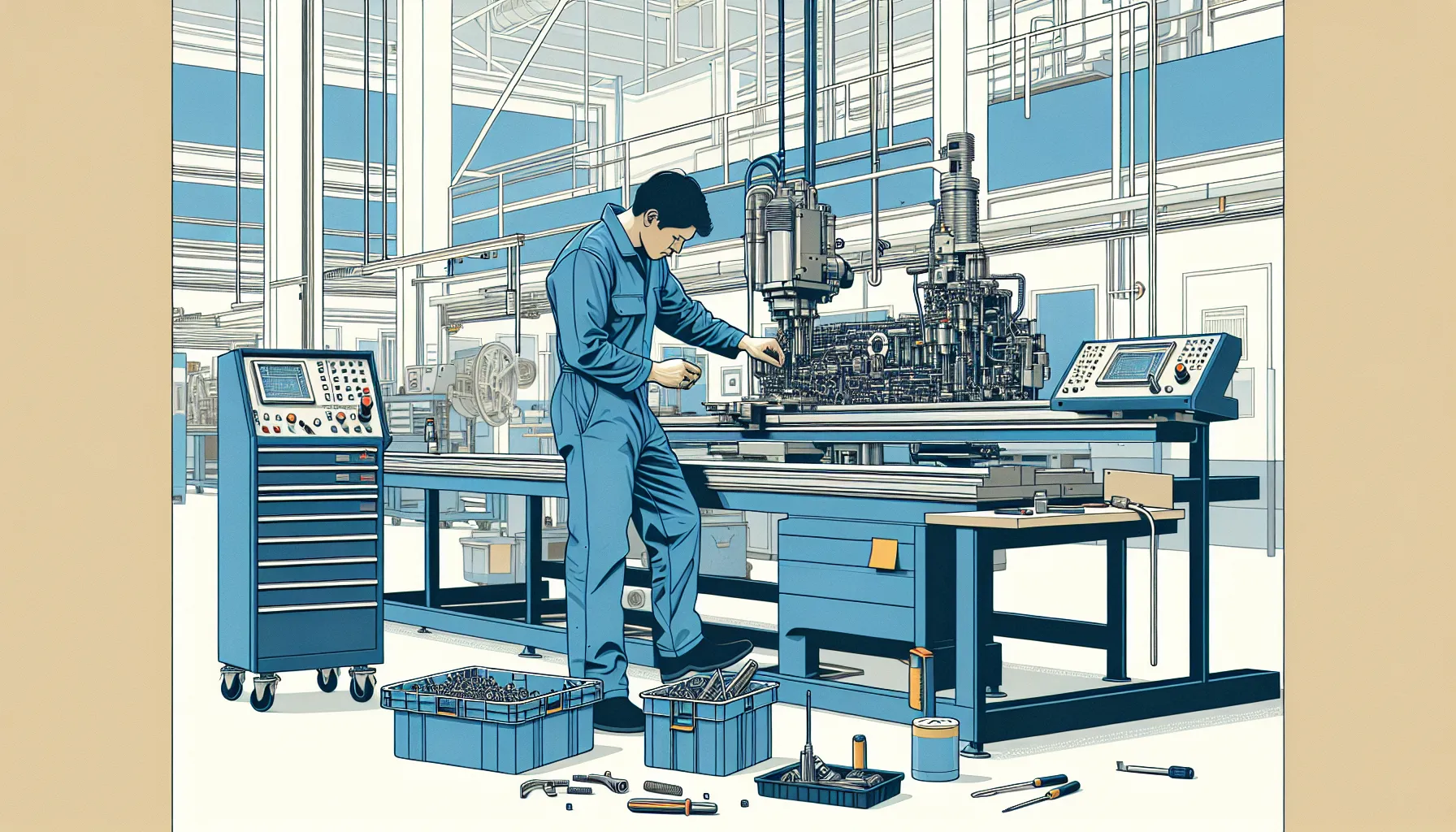
Industrial MRO services strengthen equipment reliability and keep operations predictable. How do you know which aspects matter most for your needs? Let’s look at the core parts that help you keep things running smoothly.
Maintenance Solutions
Scheduled maintenance stops issues before they become problems. We monitor equipment health, change parts on time, and check systems regularly. Steps like these—oil analysis, filter swaps, and visual inspections—cut down on costly downtime in manufacturing or aviation. Do you find preventive care helps your team focus on bigger priorities?
Repair Services
Quick, effective repairs keep your operations moving. Our technicians deliver fixes for electrical malfunctions, structural damage, and worn components. Fast turnaround is vital for safety-critical assets, especially in transportation. Have you experienced the difference when repairs are handled by a well-prepared team using the latest tools?
Operations Support
Reliable support covers logistics, inventory, and documentation. We track every service record and coordinate parts ordering for efficiency and compliance. Process transparency boosts trust, and precise reporting meets industry standards. How could better support help your staff stay focused on production goals?
| Core Element | Example Activities |
|---|---|
| Maintenance | Scheduled inspections, lubrication, parts replacement |
| Repair | Fault diagnosis, emergency fixes, system overhauls |
| Operations Support | Supply chain management, compliance tracking |
Benefits of Using Industrial MRO Services
Using industrial MRO services delivers consistent equipment uptime and saves money by reducing avoidable repairs. Many teams find that well-managed maintenance helps shift focus from reactive fixes to more proactive solutions. How often have you had to deal with costly interruptions or unexpected safety concerns? With scheduled support, issues get identified early before they cause bigger setbacks.
Countless industries, including manufacturing and transportation, trust MRO services to handle required maintenance and repairs. Scheduled checks and documented inspections help us stay ahead of compliance requirements and keep equipment operating at peak performance. Regular support guides teams with clear service records, decreasing the risk of missing vital repairs. Has a missed maintenance deadline ever put you behind on a critical project?
Expert teams bring advanced tools and repair knowledge that meet industry standards. Their attention to repair quality lets us trust that even complex faults are resolved reliably. Staying productive means less downtime and lower repair costs over time. Consistently monitored machines last longer, and preventive actions reduce replacement frequency.
Operations support helps manage spare parts and troubleshoot supply chain issues. Smooth inventory control means we spend less time waiting on needed parts and more time focusing on primary business operations. Are you searching for smoother processes that free up your team’s focus for bigger goals? Detailed, up-to-date records allow easy tracking of service history, helping us maintain compliance and plan future maintenance.
Investing in MRO services also leads to safer work environments. Services may include regular safety checks and fast emergency response, which help protect our workforce and equipment assets. Confidence in equipment safety supports not just productivity but also team morale. What would improved worker safety and fewer stoppages mean for your organization’s growth?
Challenges in the Industrial MRO Sector
Industrial MRO services face several obstacles that can impact performance and efficiency. Keeping equipment running smoothly demands precise coordination. If parts or skilled technicians aren’t available, delays happen. These setbacks can disrupt schedules and increase costs.
Meeting strict safety and industry regulations adds to the pressure. Each sector demands compliance with different guidelines. Missing a routine inspection or failing proper documentation can result in fines and safety risks. How do teams keep up with rapidly changing rules and standards?
Managing inventory remains one of the toughest hurdles. Excess stock ties up capital, but shortages stall operations. Accurate forecasting, regular audits, and reliable supply partners all play important roles. Many teams ask, how do we strike the right balance?
Adopting new technologies offers promise but comes with its own set of challenges. Integrating digital monitoring tools or automation systems requires time, training, and investment. Do your teams face resistance to technology shifts or struggle with learning new systems?
Unexpected equipment failures strain both budgets and morale. Even with scheduled maintenance, surprises happen. Quick access to advanced repair facilities—like large-capacity Part 145 stations—makes a difference, especially for complex machinery.
Securing skilled labor remains another major issue. Demand for experienced technicians often exceeds supply. Training new staff while keeping operations moving is no small task. Is your team feeling stretched in this area?
Logistics and location play a key role in responsiveness and cost. Facilities in strategic regions can cut transport time for urgent repairs. For teams operating across long distances, how do you handle service coverage and minimize downtime?
Each challenge, from compliance to resource shortages, affects operational predictability and budget control. How are you addressing these hurdles in your organization today?
How to Choose the Right MRO Service Provider
Selecting an industrial MRO service provider impacts equipment dependability and business operations. Let’s walk through options together and consider what factors matter most to us. Do you value quick response times or wide-ranging support? Each organization has different needs, so understanding our priorities comes first.
Successful partnerships start with experience and proven expertise. Providers who staff qualified technicians and maintain certification in their industry show they can handle both routine and complex repairs. For instance, FAA Part 145 repair stations or ISO-certified teams signal a commitment to quality. How comfortable are we with the team’s level of training?
Evaluating response capabilities helps avoid costly downtime. Providers with on-site resources and regional bases offer faster service. Those running strategically located support stations, such as in both Ohio and Florida, typically deliver shorter lead times for parts and repairs—key for timely, cost-effective maintenance.
Operational transparency and safety records provide insight into performance. Companies that use up-to-date deicing tools or document every service check demonstrate a focus on reliability. Strong reporting practices and adherence to safety protocols make accountability easier for us.
Cost control remains at the core of our decision-making process. Clear, itemized pricing and flexible packages—such as tiered maintenance programs or special flight clubs for repeat business—help us manage budgets and forecast expenses. Are we comparing total long-term value or just upfront fees?
Customer support should be easy to reach and responsive. Providers focused on client care offer dedicated support channels and thorough follow-up. Our comfort with their communication style and problem-solving skills can influence satisfaction.
Maintenance infrastructure affects the service scope. Providers with extensive facilities—like large regional repair bases—often cover more technical needs and faster turnaround than smaller shops. Are our assets near these hubs, or would travel time add delay?
Industry reputation gives us another decision point. Positive references and proven safety records highlight reliability. Asking peers in our field about their experiences sheds light on real-world results.
Asking these questions and weighing these factors leads us to a provider that aligns with our operational priorities and expectations. How might our specific requirements shape the choice we make next?
Future Trends in Industrial MRO Services
Digital transformation shapes industrial MRO services. Many organizations use IoT sensors, cloud-based monitoring and AI analytics to predict equipment issues before they happen. Predictive maintenance uses machine learning and real-time data from equipment—like temperature or vibration sensors—to spot signs of failure early. How can we harness these insights to improve day-to-day operations?
Automation is becoming more common. Drones and robotics now inspect hard-to-reach equipment or perform repeatable repairs, making safety a top priority and freeing up skilled technicians for more complex work. Have you thought about how automation might change your maintenance routines?
Sustainability guides purchasing and service decisions. Companies focus on energy-efficient repairs and upgrading outdated systems for lower emissions. Green MRO practices—such as material recycling and eco-friendly lubricants—rise in importance as our industry responds to stricter environmental standards.
Workforce development remains at the forefront. Training programs support technicians learning to work with new systems, remote monitoring tools and advanced repair technology. Online courses and augmented reality guides help close skill gaps as seasoned workers retire and new talent enters the field.
Supply chain strategies also shift. Many teams rely on digital inventory platforms to track spare part needs and anticipate backorders. These digital systems lead to faster replacement part sourcing, keeping operations steady even when global disruptions strike. Are you exploring digital inventory tracking to manage critical parts?
Artificial intelligence and machine learning inform both predictive maintenance and process optimization, often leading to significant efficiency gains. As AI adoption grows across industrial MRO, how might your team use smarter systems to cut costs or boost uptime?
These trends continue to direct investment and strategy. Each innovation reflects a growing commitment to safety, uptime and responsible business practices within industrial MRO services.
Conclusion
Choosing the right industrial MRO partner is more than a maintenance decision—it’s a strategic move that shapes our equipment reliability and overall business success. As we adapt to new technologies and rising industry standards, a proactive approach to MRO keeps our operations efficient and safe.
By staying committed to innovation and best practices in maintenance, we can navigate challenges and keep our teams focused on what matters most—delivering consistent results and building a stronger future for our organization.
Frequently Asked Questions
What are industrial MRO services?
Industrial MRO (Maintenance, Repair, and Overhaul) services refer to all activities focused on keeping equipment and machinery in good working condition. This includes routine maintenance, critical repairs, inspections, and operations support to reduce downtime and make sure production stays on track.
Why are MRO services important for industrial operations?
MRO services prevent unexpected equipment breakdowns, which can halt production and cause safety issues. By ensuring machines are regularly maintained and repaired, businesses enjoy better uptime, lower repair costs, improved safety, and higher productivity.
How do MRO services reduce operational costs?
Scheduled maintenance and timely repairs help catch problems early, preventing costly damage and unplanned stoppages. This proactive approach lowers emergency repair costs, reduces downtime, and extends the life of equipment, saving money in the long run.
What’s the difference between MRO services and regular production work?
MRO services focus on maintaining, repairing, and restoring equipment, while regular production work is about manufacturing or processing goods. MRO ensures machines stay reliable so production can continue without interruption.
What are the key components of industrial MRO services?
Key components include scheduled maintenance, repair solutions, and operations support. Together, these cover everything from routine checks and repairs to managing spare parts, inventory, safety compliance, and service record documentation.
Which industries benefit most from industrial MRO services?
Industries such as manufacturing, aviation, transportation, and energy rely heavily on industrial MRO services to keep critical equipment operational, meet safety regulations, and maintain consistent production output.
How does technology impact industrial MRO services?
Digital tools like IoT sensors, cloud-based monitoring, and AI help predict maintenance needs and catch issues early. Automation with robots and drones increases safety and efficiency, while digital inventory systems improve part tracking and sourcing.
What should I consider when choosing an MRO service provider?
Look at the provider’s experience, response time, service transparency, cost control, technical capabilities, customer support, and reputation. Make sure they understand your industry’s needs and have the tools and expertise to meet them.
How do MRO services improve workplace safety?
Regular safety inspections and fast emergency repairs ensure that workplace hazards are identified and addressed quickly. This reduces accident risks, supports compliance with regulations, and creates a safer working environment for everyone.
What are the current trends in industrial MRO services?
The main trends include digital transformation, predictive maintenance with AI, automation using robotics, greater focus on sustainability, workforce training for new technologies, and improved supply chain management with digital tools. These changes support safer, more reliable operations.