
Private jet paint design does more than just turn heads, it speaks to your values, sense of style, and expectations for excellence. Do you ever look at an aircraft and wonder how color, finish, and artistry all come together to make a powerful impression? Many people overlook the role of paint in personalization and protection, yet these details can transform a jet into a statement of pride and professionalism. If you’re considering refreshing your aircraft’s paint or exploring custom designs for the first time, you’re in the right place. Let’s explore how a deliberate approach to paint design shapes both perception and experience.
Custom aircraft paint services
Ready to transform your jet’s exterior?
Premier Private Jets delivers precision paint design and application — from gloss and matte finishes to full custom schemes — handled by experienced aviation technicians at our Dayton facility.
At Premier Private Jets, we’ve overseen paint refurbishments on everything from light Citation jets to larger midsize aircraft. That hands-on experience means we understand the practical realities — how surface condition affects prep time, how climate-controlled booths impact finish quality, and how design complexity drives both cost and turnaround. We don’t just manage the paperwork; our team is in the hangar at every stage.
Understanding Private Jet Paint Design Options
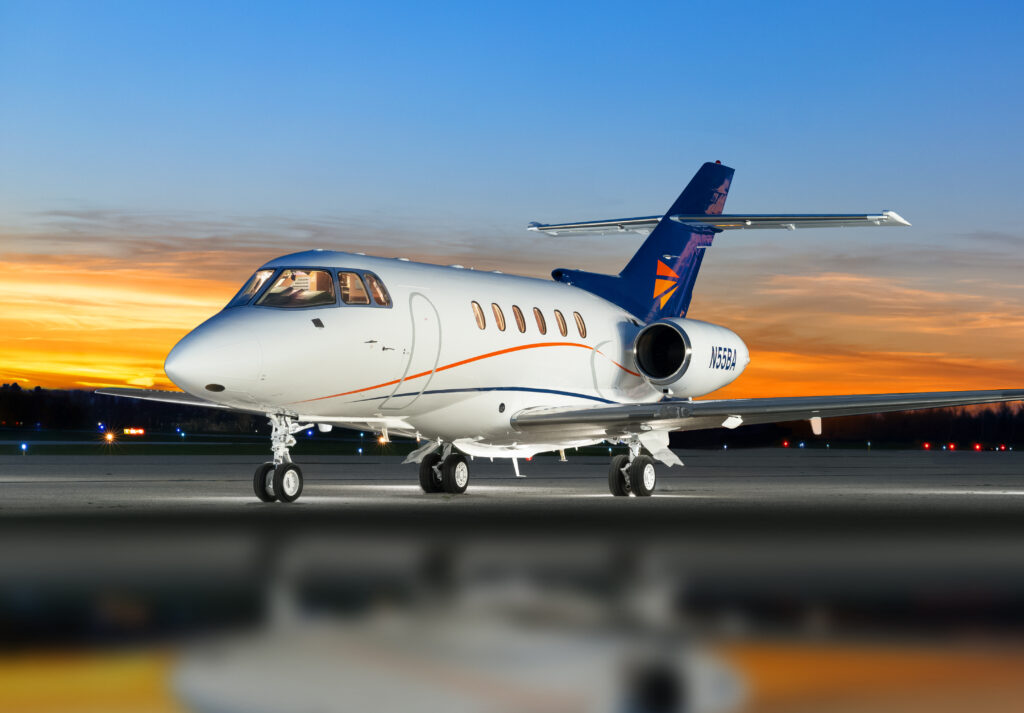
Each private jet tells a story, and the paint scheme is often the first chapter anyone sees. Selecting the right design means more than choosing a favorite color, it’s about marrying aesthetics, brand identity, and practical needs. From classic stripes to sweeping, modern gradients, the art of jet exterior design continues to evolve, offering fresh possibilities year after year.
Types of Paint Finishes
- Gloss Finish: Delivers a sleek, mirror-like effect that’s synonymous with newness and prestige. Careful surface preparation makes all the difference here.
- Matte Finish: Offers a contemporary, non-reflective look. It’s favored by those seeking something refined and slightly understated.
- Metallics and Pearlescents: Metallic flakes or pearlescent pigments add a shimmer, catching the sun at every angle and giving depth to the design.
Our paint technicians are trained in aerospace-grade application standards, working with the same materials and processes used by major MRO facilities. From high-performance primers to multi-stage clear coats, every product we use is selected for its durability in aviation environments — not just its appearance on day one. That technical foundation is what separates a lasting finish from one that fades or chips within a few seasons.
Design Trends and Personalization
Current design trends move beyond generic layouts. Imagine geometric patterns that turn an aircraft into airborne art, or hand-painted motifs that highlight heritage and individuality. Many owners opt for a custom brand emblem, creative logo integration, or even sweeping lines that mimic movement and speed. For corporate fleets, unified color schemes help reinforce company identity every time the jet lands.
Durability Considerations
High-quality aerospace paints today are engineered to last, offering protection against UV rays, rain, and corrosive environments. Special clear coats reduce maintenance, helping the aircraft look sharp and safeguarding its value. Eventually, the right choice balances beauty with long-term resilience, setting the stage for years of reliable performance and pride of ownership.
2–4 Weeks
Typical turnaround time
3 Finishes
Gloss, matte & metallic
From $50K
Light jet starting price
FAA Certified
Compliant with aviation standards
Key Considerations Before Repainting Your Jet
Repainting a private jet is a significant undertaking, both for its cost and the impression it leaves. We understand the importance of making thoughtful decisions before the process even begins. What should you weigh before giving your jet a new look?
Surface Condition and Age
Start with an honest assessment of the current paint. Has the finish faded from years of exposure? Are there chips, scratches, or signs of corrosion? Sometimes, small cosmetic flaws can be addressed with careful touch-ups, but a full repaint is often warranted if deterioration is widespread.
Compliance and Safety
Regulatory details matter. Aircraft must maintain visibility and display mandatory markings as required by aviation authorities. Before selecting colors or patterns, check for any rules governing registration numbers, emergency exit labeling, or anti-glare surfaces near the cockpit. Compliance isn’t optional, and we always want to prioritize safety.
Premier Private Jets operates as an FAA-certified MRO facility, which means our paint work isn’t just cosmetic — it’s performed within a regulated framework that includes documentation, inspection sign-offs, and compliance verification. Every repaint we complete meets the airworthiness standards required for the aircraft to return to service. That regulatory accountability is something a general body shop simply cannot offer.
Budget and Downtime
A new paint job requires both financial investment and time out of service. Prices vary based on aircraft size, complexity of the design, and the quality of materials selected. Consider how long the jet can be offline, repainting can take several weeks, with additional time for any necessary surface repairs. It’s wise to schedule repainting during routine maintenance or at a time that minimizes impact on your travel plans.
Purpose and Personal Brand
Are you repainting to reflect a change in personal taste, match a new corporate identity, or boost resale value? Think about how your goals influence every aspect of the design. A bold scheme might signal personal flair, while more conservative options can suggest professionalism and reliability. Either way, a well-thought-out paint scheme projects confidence and care.
Careful planning up front helps avoid surprises and results in a finished product you’ll be proud to show every time your jet is on the ramp.
The Process and Cost of Customizing Your Jet’s Paint
Customizing a private jet’s paint design isn’t just about artistry, it’s a technical process demanding skill and planning. Let’s look at each step, so you know what to expect from start to finish.
The Repainting Steps
- Initial Consult and Design: We first meet with experienced designers and technicians to define your vision. Here, you’ll review computer-generated mockups or hand sketches to select colors and patterns that speak to you.
- Surface Preparation: Stripping away old paint is essential. Technicians remove the previous coatings, inspect for surface imperfections or corrosion, and repair any damage.
- Priming: A high-performance primer adds crucial protection, anchoring the new paint and extending its life.
- Painting: Using specialized, climate-controlled paint booths, skilled teams layer on the chosen base colors, accent stripes, and any graphics. Precise masking and application techniques create clean lines and vivid results.
- Clear Coating: A clear protective finish seals the paintwork, offering resilience against weather, sun, and wear.
- Quality Inspection and Curing: The final step is a systematic quality check and a period of curing. Only after everything meets the highest standards is the jet released for service.
How Much Does It Cost?
Paint jobs for private jets range widely in price:
- Light Jets: Basic schemes may start around $50,000, with elaborate designs climbing past $90,000.
- Midsize Jets: Expect to pay between $70,000 and $150,000. More intricate patterns and specialized finishes push costs higher.
- Large Jets: These can require $175,000 or more, reflecting the labor, surface area, and time required.
Remember, the overall investment isn’t limited to paint alone: surface repairs or customization of accent areas add to the total. The upside is clear, a striking, quality paint job not only enhances pride in ownership but contributes to long-term aircraft value and even improved resale prospects.
Timeline Expectations
Most jets will be out of service for two to four weeks, depending on design complexity and any needed repairs. Planning ahead minimizes downtime and lets you coordinate maintenance simultaneously.
A carefully managed process makes the journey from vision to execution as smooth as your next charter flight.
Conclusion
Paint design is a powerful way to reflect your values, attention to detail, and passion for aviation. Every decision, from finish to color to compliance, shows the care we put into our journeys. When you choose to invest in your jet’s paint, you add both protection and pride to every mile you fly.
We know that handing over your aircraft for weeks of work requires real trust. That’s why we provide transparent timelines, documented progress updates, and clear communication at every stage of the process. If surface repairs are needed that affect the original scope or budget, we discuss that before proceeding — not after. Our goal is that when your jet rolls out of the hangar, there are no surprises, only results you’re proud of.
Private Jet Paint Design FAQs
What are the main types of paint finishes available for private jets?
Private jets typically feature gloss finishes for a sleek look, matte finishes for a refined, non-reflective style, and metallic or pearlescent finishes that add shimmer and depth to the design.
How does a custom paint design reflect the owner’s personal or corporate brand?
Custom paint designs can incorporate brand emblems, logos, and unique patterns that express personal style or corporate identity, reinforcing professionalism and creating a memorable impression every time the jet lands.
What factors should be considered before repainting a private jet?
Owners should assess the paint’s current condition, ensure compliance with aviation safety regulations, budget for costs and downtime, and clarify goals—whether for personal flair, corporate branding, or resale value.
How long does it usually take to complete a private jet repainting project?
Repainting a private jet generally takes two to four weeks, depending on design complexity and any surface repairs needed, with planning recommended to minimize service downtime.
Why is investing in high-quality paint important for private jets?
High-quality aerospace paints provide durability against UV rays, weather, and corrosion, protect the aircraft’s surface, reduce maintenance, and enhance pride in ownership while boosting resale value.
What is the typical cost range for painting different sizes of private jets?
Light jets’ paint jobs start around $50,000, midsize jets range between $70,000 and $150,000, and large jets can exceed $175,000, with costs influenced by design complexity and materials used.